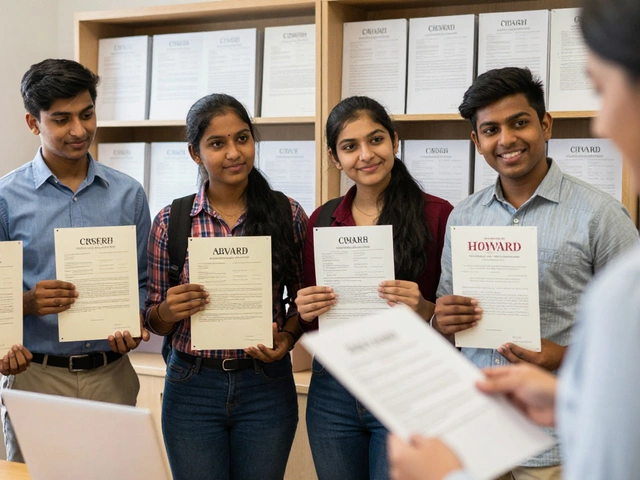
Classroom Learning: What Works, What Doesn't, and Where to Go Next
When we talk about classroom, a physical space where students and teachers gather to learn through direct interaction. Also known as traditional education, it’s the backbone of India’s school and coaching system. But today’s classrooms look nothing like the ones from 20 years ago. You’ve got students scrolling on phones between lessons, teachers using tablets instead of chalkboards, and entire coaching centers moving online. The question isn’t whether the classroom is obsolete—it’s whether it’s still the best place to learn.
The traditional classroom, a structured environment with fixed schedules, one-way lectures, and standardized testing still dominates Indian education. It works for some—especially in competitive exam prep like NEET, the medical entrance exam that millions prepare for every year or IIT JEE, the engineering entrance with success rates below 1%. The discipline, peer pressure, and daily routine help students stay on track. But it also burns out kids. Many of the posts here show students who cracked JEE Mains not because they sat in a lecture hall for 10 hours a day, but because they learned how to think under pressure—something no classroom can fully teach.
That’s where eLearning, a system of learning through digital platforms that combine videos, quizzes, and feedback comes in. It’s not replacing the classroom—it’s filling the gaps. Think of it this way: you go to coaching for structure, but use apps like Duolingo or YouTube to practice speaking English or solve math problems on your own time. The best learners now mix both. They attend classroom sessions for theory and doubt-solving, then use online tools to drill weak areas, track progress, and learn at their own pace. The top NEET coaching institutes now offer hybrid models for this exact reason.
And then there’s the teacher. In a good classroom, the teacher isn’t just reading from a textbook—they’re reading the room. They notice who’s zoning out, who’s afraid to ask questions, who’s burning out. That human connection still matters. But it’s harder to maintain in overcrowded schools where one teacher handles 60 students. That’s why tools like conversational English, a teaching method focused on real speaking practice instead of grammar drills are gaining ground. They shift the focus from memorizing to using language—and that’s something you can’t fake in a lecture hall.
So what’s the future? It’s not classrooms vs. online. It’s smart classrooms—ones that use tech to personalize learning, not replace teachers. It’s students who know when to sit in a lecture and when to code on their phone. It’s parents who ask not just ‘Which school?’ but ‘How does this help my child think?’ The posts below show real examples: how someone cracked IIT JEE in two years without coaching, why some online certifications pay more than degrees, and how brain rewiring tricks help you learn faster. These aren’t theory—they’re what students are doing right now. And if you’re serious about learning, you’ll find something here that changes how you think about the classroom altogether.

Distance Learning or Classroom: Which Really Fits You Best?
Is distance learning just a fad, or can it actually compete with the classroom experience? This article breaks down the real pros and cons, cuts through the common myths, and sets out which style works best for different types of learners. If you're wondering where you’ll learn more, stay motivated, and actually enjoy your lessons, there are some unexpected details ahead. You’ll get concrete facts, not just empty opinions, plus practical tips to help you pick your best match. Super useful whether you’re a student, a busy parent, or thinking about a career switch.