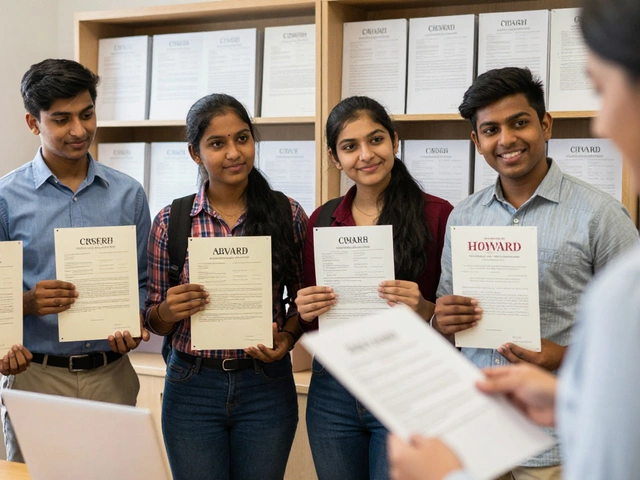
Online Bachelor's Degree: What It Is, How It Works, and Which Ones Actually Pay Off
When you hear online bachelor's degree, a four-year undergraduate program delivered entirely through digital platforms, often with flexible scheduling and no campus attendance required. Also known as distance learning degree, it's no longer just for working adults—it's a real path for students who need control over their time, budget, or location. Unlike traditional degrees, you don’t need to commute, relocate, or drop your job. You log in, watch lectures, submit assignments, and take exams—all on your schedule.
This shift didn’t happen overnight. It’s backed by platforms like eLearning platforms, structured digital systems that combine video lessons, quizzes, discussion boards, and automated feedback to guide learning. Also called digital learning or virtual classrooms, these tools make education feel personal even when you’re studying alone. The best ones don’t just dump videos—they keep you engaged, track your progress, and give you real-time help. That’s why some online degrees take less time than on-campus ones: the system is designed to keep you moving forward, not stuck waiting for the next lecture.
But not all online degrees are created equal. Some are easy to finish but worth little on a resume. Others are rigorous, accredited, and respected by employers—especially in fields like business, IT, education, and healthcare. Look for programs with regional accreditation, clear outcomes, and real industry partnerships. The top-paying ones often lead to certifications in cloud computing, project management, or cybersecurity, which you can stack on top of your degree.
And yes, you can study while working full-time. Many students balance parenting, jobs, and degrees using bite-sized lessons. You don’t need to be a tech expert—just consistent. The key isn’t being smart; it’s showing up every day. Some finish in three years. Others take five. What matters is finishing with skills employers actually want.
What you’ll find below are real guides on which online degrees are easiest to complete, which ones lead to the highest salaries, and how to pick one that doesn’t waste your time. You’ll also see how eLearning platforms actually work, what makes a degree credible, and why some online programs are traps disguised as opportunities. This isn’t theory—it’s what students are doing right now to build careers without going back to campus.
Which College Leads Online Education in the US? The 2025 #1 Ranking Revealed
Discover why the University of Florida Online tops the 2025 rankings for US online colleges, with cost, support, and outcomes explained.