Schooling in India: What It Really Looks Like Today
When we talk about schooling in India, the structured system of education from primary to secondary levels across public and private institutions in the country. Also known as Indian school education, it's the foundation most students build their future on—whether they end up in engineering, medicine, or something completely different. It’s not one system. It’s a patchwork of boards, teaching styles, and expectations that vary wildly depending on where you live and what your family can afford.
At the heart of it are the major boards: CBSE, the Central Board of Secondary Education, the most widespread board in India, known for its standardized syllabus and alignment with national competitive exams, ICSE, the Indian Certificate of Secondary Education, which emphasizes broader learning, critical thinking, and English proficiency, and dozens of state boards, regional education authorities that tailor curriculum to local languages and needs, often with less pressure but fewer resources. Each one shapes how students think, what they study, and how they prepare for what comes next.
Here’s the real story: schooling in India doesn’t end at the 10th grade. For most students, it’s just the warm-up. The system is built to feed into competitive exams—JEE, NEET, UPSC—where success rates are under 1%. Schools, even the best ones, often feel like training grounds for these exams, not places to explore curiosity. That’s why you’ll see kids in Class 8 already doing JEE-level math, or parents choosing CBSE over ICSE because it’s "easier to crack" the national tests. It’s not always about learning. It’s about surviving a system that rewards performance over understanding.
But it’s not all pressure. Some schools focus on communication, creativity, and confidence—especially those offering Cambridge or IB programs. And with digital tools, eLearning, and apps like Duolingo, students are finding ways to learn English or coding outside the classroom. The system is rigid, but not closed. There are cracks where real learning can happen—if you know where to look.
What you’ll find here aren’t just articles about exams or syllabus comparisons. You’ll see real talk about what schooling in India actually feels like—the stress, the choices, the hidden trade-offs. Whether you’re a parent deciding a board, a student wondering if coaching is worth it, or just someone trying to understand why Indian education works the way it does, these posts cut through the noise.
Comparing US and Indian Education Systems Through the Lens of CBSE Curriculum
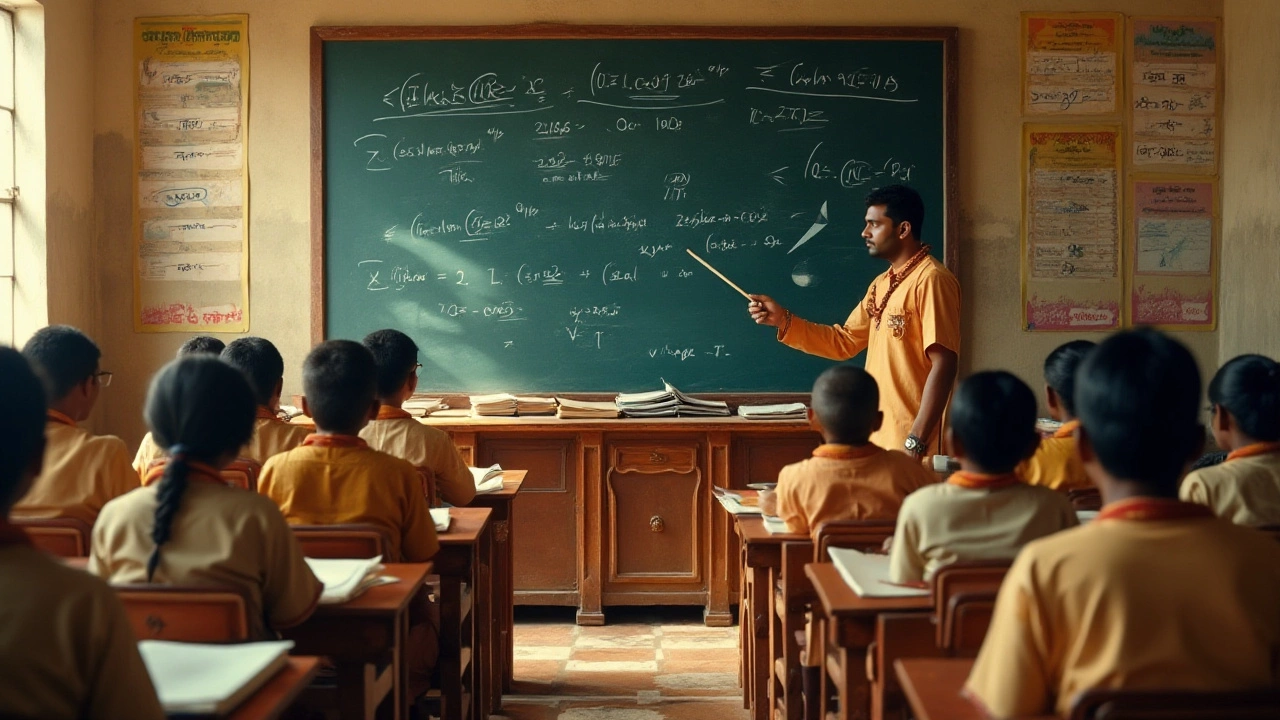
The article delves into the complex debate over which education system, between the USA and India, offers a superior approach to learning, specifically through the examination of the CBSE syllabus. Focusing on differences in teaching methodologies, classroom environments, extracurricular activities, and academic outcomes, the article provides an objective analysis. Key differences, such as emphasis on rote learning versus practical engagement, are highlighted to offer a broader understanding. Intended to serve parents, educators, and students seeking clarity, this piece breaks down the merits and drawbacks of each system.