Coursera Cost Calculator
How Many Courses Do You Need?
When you first see Coursera’s homepage, it’s easy to think it’s free. After all, you can watch lectures, read articles, and even take quizzes without paying a cent. But if you want a certificate, graded assignments, or access to special projects, you’ll need to pay. So how much is Coursera a month? The answer isn’t simple-it depends on what you’re after.
Coursera’s Free Option: What You Get Without Paying
You can sign up for Coursera and start learning right away-no credit card needed. Thousands of courses let you audit them for free. That means you can watch all the video lessons, download readings, and follow along with the material. Many people use this to learn Python basics, study project management, or explore psychology without spending a dollar.
But here’s the catch: you won’t get graded feedback. You can’t submit assignments. And you won’t receive a certificate at the end. If you’re learning for fun or to fill a knowledge gap, this works fine. But if you’re adding it to your LinkedIn profile or resume, you’ll need to pay.
Monthly Subscription: Coursera Plus
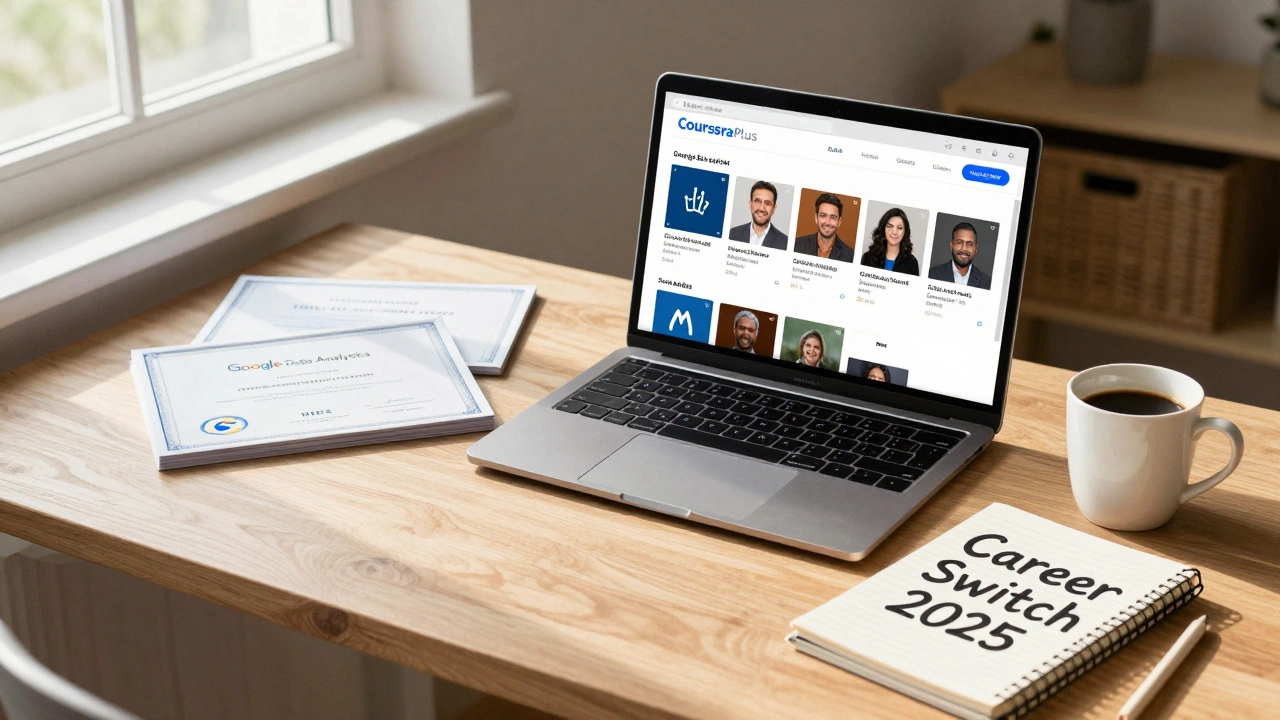
If you plan to take more than one course over time, Coursera Plus is the smartest way to go. It’s a monthly subscription that gives you unlimited access to over 7,000 courses, 400+ Specializations, and Professional Certificates. As of 2025, Coursera Plus costs $59 per month if you pay month-to-month.
That’s cheaper than a Netflix subscription. And unlike Netflix, you’re building skills that can lead to a job raise or a career switch. You can take courses in data science, digital marketing, leadership, or even machine learning-all with graded assignments and certificates you can share.
Many users on Coursera Plus finish 3-5 courses in their first three months. If you’re serious about upskilling, this plan pays for itself fast. For example, the Google Data Analytics Professional Certificate alone costs $49 per month if bought separately. With Coursera Plus, you get that plus dozens of others.
Individual Course Pricing: Pay Per Course
If you only need one course, you don’t have to subscribe. Most individual courses cost between $39 and $99. These are one-time payments that give you full access for 180 days. You can complete the course at your own pace, submit assignments, and earn a certificate.
For example:
- IBM Data Analyst Professional Certificate: $49/month (you pay monthly until completion)
- Meta Social Media Marketing Certificate: $39/month
- University of Pennsylvania’s Business Foundations Specialization: $79 total
Some courses are priced higher-especially those from top universities like Stanford or Yale. These can go up to $150-$200 for a full Specialization. But most fall in the $40-$80 range.
Specializations and Professional Certificates: What’s the Real Cost?
Specializations are groups of 4-8 courses built around a skill. Professional Certificates are career-focused programs designed with companies like Google, IBM, and Microsoft. These aren’t single courses-they’re full learning paths.
Most Specializations cost $39-$79 per month. You pay monthly until you finish. The average learner takes 4-6 months to complete one. So if you pay $49/month for 5 months, you’re spending $245 total.
Compare that to a traditional bootcamp or university course. A coding bootcamp in the U.S. can cost $10,000-$20,000. A university credit course might run $500-$1,500. Coursera’s certificates cost a fraction of that-and they’re recognized by employers worldwide.
Free Trials and Financial Aid
Coursera doesn’t offer a standard 7-day free trial like other platforms. But you can get a 7-day free trial when you start a Specialization or Professional Certificate. You’ll need to enter your payment details, but you can cancel before the trial ends and pay nothing.
There’s also financial aid. If you can’t afford a course, you can apply for it directly on the course page. You’ll answer a few questions about your situation-why you want to learn, how you’ll use the skills, and what your income is. Most applicants get approved within 15 days. Over 1.5 million people have received financial aid since 2014.
One user from Cape Town applied for aid to take the Google IT Support Certificate. He got approved, finished the program in three months, and landed a helpdesk job at a local tech firm. He didn’t pay a cent.
How Coursera Compares to Other Platforms
Here’s how Coursera stacks up against other major platforms in 2025:
| Platform | Monthly Cost | Unlimited Access? | Certificates Included? | Best For |
|---|---|---|---|---|
| Coursera Plus | $59 | Yes | Yes | Professionals building a skill portfolio |
| Udemy | $14-$20 (per course) | No | Yes (one-time purchase) | Learners wanting specific, niche skills |
| edX | $50-$300 (per course) | No | Yes (for verified track) | Academic learners, university credit seekers |
| LinkedIn Learning | $29.99 | Yes | Yes | Business and soft skills |
| Pluralsight | $29-$45 | Yes | Yes | Developers and IT professionals |
Udemy is cheaper per course, but you pay for each one separately. LinkedIn Learning is cheaper than Coursera Plus, but it doesn’t offer the same depth in technical fields like data science or AI. Coursera stands out because it partners with real universities and companies-you’re not just learning from influencers. You’re learning from the same people who teach at Stanford, Duke, or Google.
Who Should Pay for Coursera?
Here’s who benefits most from paying:
- You want a certificate to show employers
- You’re switching careers and need credentials
- You’re preparing for a promotion and need to prove new skills
- You’re not sure what you want to learn yet-so you want to explore
- You’re in a country where online education is the only affordable path to global skills
If you’re just curious? Audit for free. If you’re serious about your career? Pay for the certificate.
Hidden Costs and Things to Watch Out For
There are no hidden fees. But here are a few traps to avoid:
- Auto-renewal: If you sign up for a Specialization, it renews monthly until you cancel. Set a calendar reminder to check your subscription.
- Payment method issues: Some users in South Africa have trouble with international payments. Use a Visa or Mastercard linked to a local bank account.
- Time limits: If you don’t finish a course in 180 days, you lose access. Download notes and videos while you can.
- Not all courses are equal: Some are outdated. Check the review date and student ratings before enrolling.
One user in Johannesburg enrolled in a Python course that hadn’t been updated since 2020. The examples used outdated libraries. He wasted two weeks before switching to a newer version. Always check the last update date.
Is Coursera Worth It in 2025?
Yes-if you use it right. The average Coursera learner spends 5-7 hours per week. That’s less than one Netflix show a day. If you finish one Professional Certificate in six months, you’ve spent under $300. That’s less than a single textbook at university.
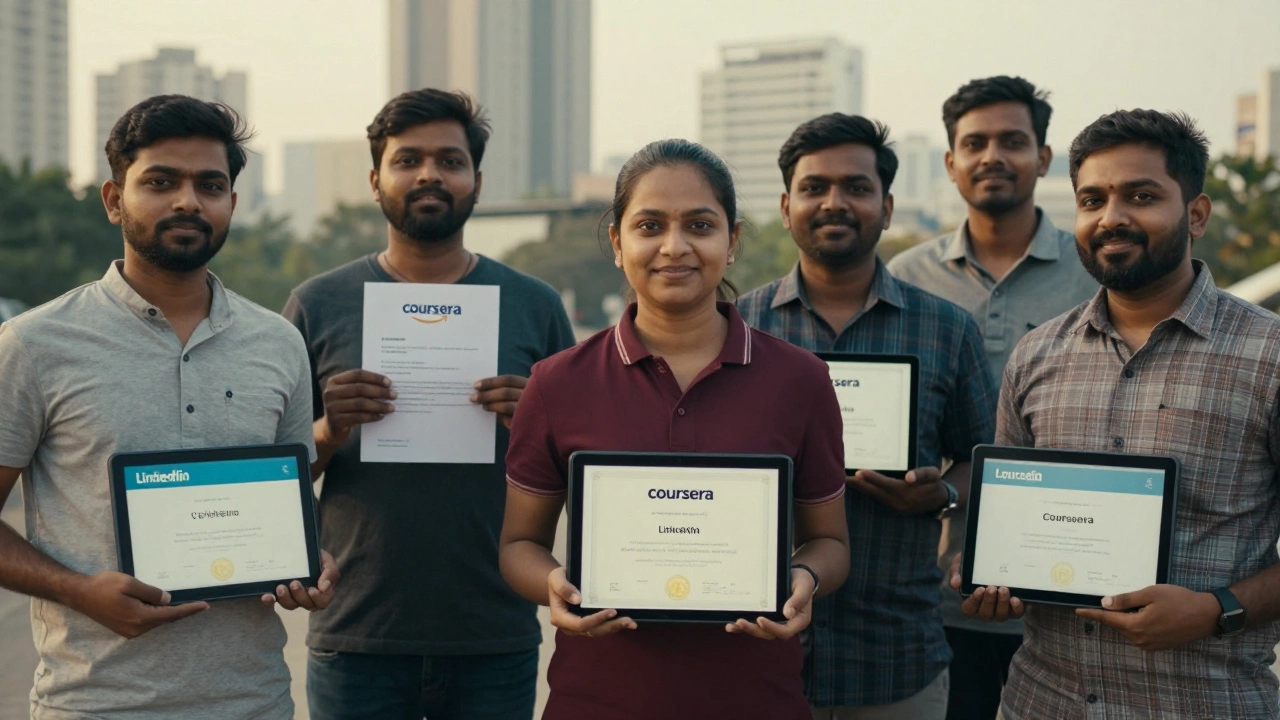
Companies like Amazon, Deloitte, and PwC now list Coursera certificates as valid credentials on their job postings. In South Africa, employers in Cape Town, Johannesburg, and Durban are starting to recognize them too.
Think of Coursera not as a website, but as a career accelerator. You’re not paying for videos. You’re paying for access to tools, feedback, and credentials that open doors.
How much is Coursera a month if I only want one course?
If you only want one course, you don’t pay monthly. You pay a one-time fee between $39 and $99. This gives you 180 days of access, graded assignments, and a certificate. You won’t be charged again unless you enroll in another course.
Is there a free trial for Coursera?
Coursera doesn’t offer a general free trial. But when you start a Specialization or Professional Certificate, you get a 7-day free trial. You’ll need to enter your payment details, but you can cancel anytime during the trial and pay nothing. After the trial, you’ll be charged monthly until you finish or cancel.
Can I get Coursera for free if I’m low income?
Yes. Coursera offers financial aid to learners who can’t afford courses. You apply directly on the course page, answer a few questions about your situation, and usually get a response within 15 days. Over 1.5 million people have received aid since 2014. Many users in South Africa, India, and Nigeria have used this to land better jobs.
Do employers accept Coursera certificates?
Yes. Major companies like Google, IBM, Microsoft, and Amazon design and endorse many of Coursera’s Professional Certificates. Employers in tech, finance, and marketing now recognize them as proof of skill. In South Africa, companies like Naspers, Capitec, and MTN have hired people with Coursera certificates for entry-level roles.
What’s the cheapest way to use Coursera?
The cheapest way is to audit courses for free if you don’t need a certificate. If you do need one, apply for financial aid. If you’re taking multiple courses over time, Coursera Plus at $59/month is the most cost-effective option. You can save hundreds compared to buying each course separately.