CBSE Schools: Top Rankings, Syllabus, and How to Choose the Best for Your Child
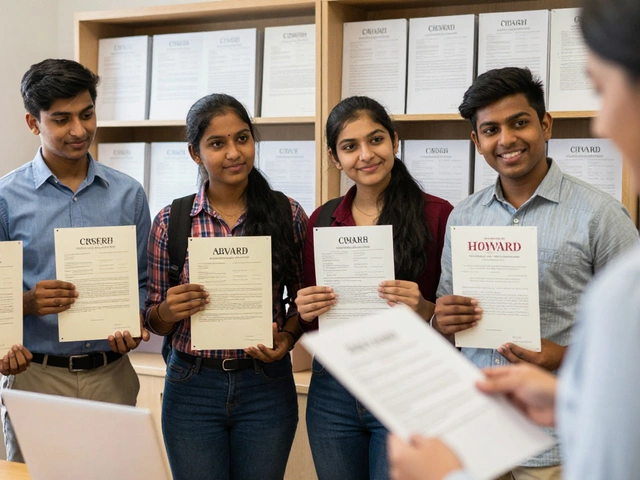
When it comes to school education in India, CBSE schools, the Central Board of Secondary Education, a national-level board that sets curriculum and conducts exams for classes 10 and 12. Also known as Central Board of Secondary Education, it’s the most widely followed board across the country, shaping how millions of students prepare for competitive exams like JEE and NEET. Unlike state boards that focus heavily on regional languages and local content, CBSE keeps things standardized, clear, and aligned with national entrance tests. That’s why parents across India—whether in Delhi, Hyderabad, or small towns—choose CBSE schools for their kids.
What makes CBSE syllabus, a structured, exam-focused curriculum designed to build conceptual clarity and problem-solving skills so popular? It’s simple: it’s built for results. The syllabus cuts through fluff. In science, students learn physics and chemistry with real-world applications. In math, they solve problems that mirror JEE patterns. And English? It’s taught for communication, not just grammar drills. This is why top CBSE schools, institutions known for high academic performance, strong faculty, and consistent exam results often produce students who clear IIT JEE, NEET, and UPSC with ease. These schools don’t just teach—they train. They give students the discipline, time management, and exam strategy needed to compete at the highest levels.
But not all CBSE schools are the same. Some focus on rote learning. Others push critical thinking. Some have labs and coding clubs. Others barely have a library. The difference? Infrastructure, teacher quality, and how much freedom students get to explore. If you’re choosing a school, look beyond rankings. Ask: Do they encourage questions? Do they offer mock tests that feel like the real board exam? Are there mental health support systems? Because the pressure to perform in CBSE schools can be intense—especially with 10th and 12th board results acting as gateways to top colleges.
You’ll find everything you need to make sense of this system in the posts below. From the CBSE schools that lead in 2025 rankings to how the syllabus connects directly to NEET and JEE prep, we’ve pulled together real insights—not hype. Want to know what separates a good CBSE school from a great one? Or how to spot red flags in coaching-heavy institutions? The answers are here. No fluff. Just what works.
Understanding CBSE Schools in India
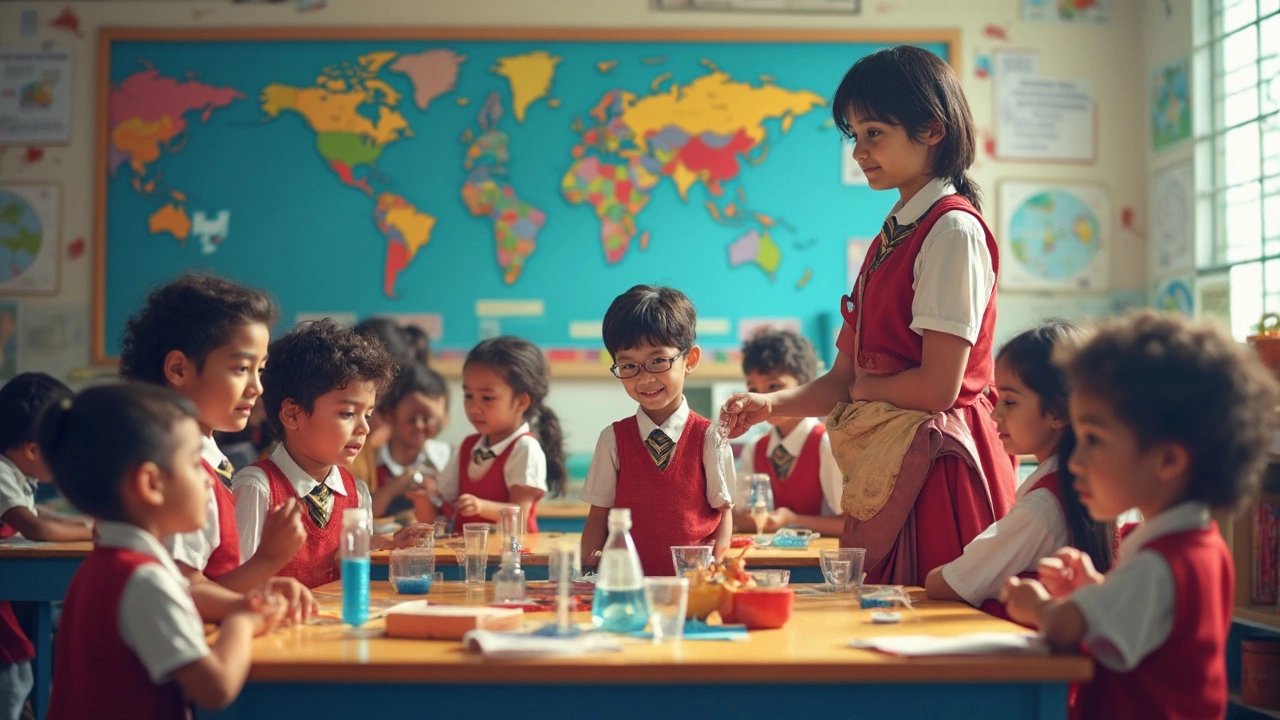
CBSE (Central Board of Secondary Education) schools in India are part of a national-level education board recognized for its comprehensive and standardized curriculum. These schools provide a consistent educational framework across the country, emphasizing both academics and holistic student development. With English as the medium of instruction, CBSE schools are renowned for preparing students for national competitions and various entrance exams. Parents often choose CBSE for its balanced focus on academics, sports, and extracurricular activities.
Is CBSE Available Outside India?
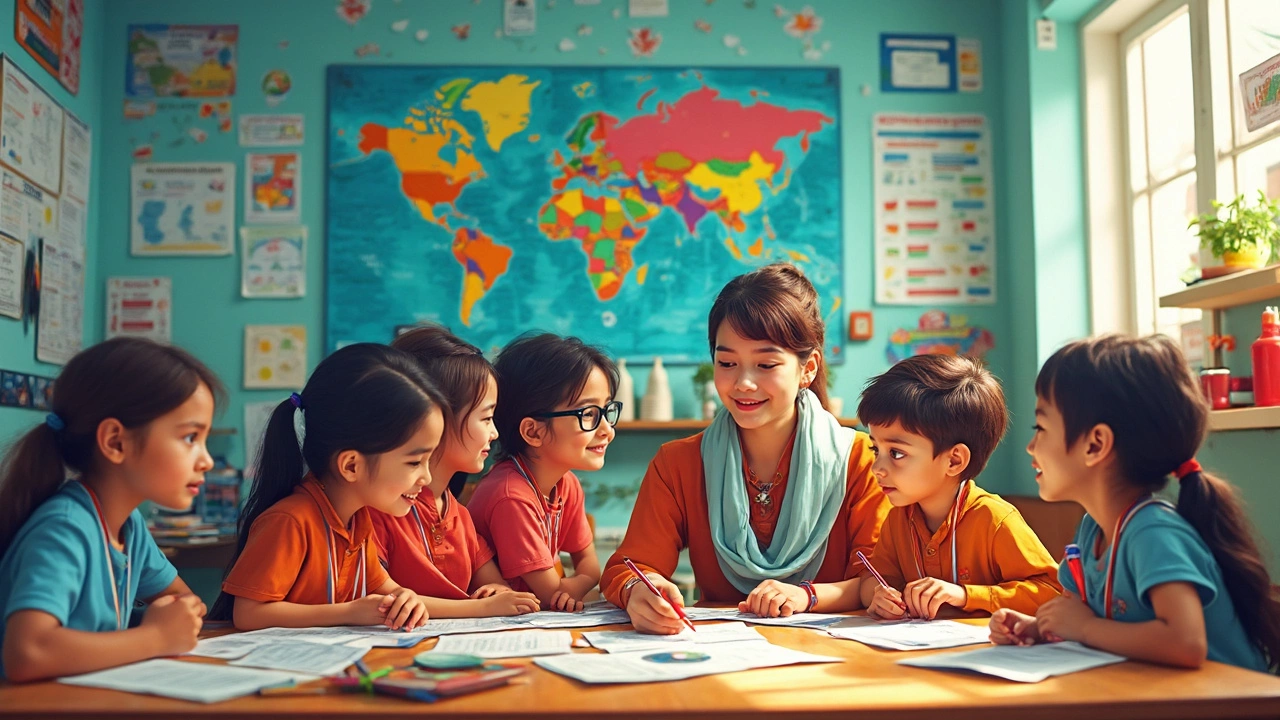
CBSE is not just limited to India, it's making waves abroad too! From the UAE to Singapore, the Central Board of Secondary Education has found its way into international schools. The curriculum structure focuses on a comprehensive skill set. Discover tips for parents considering this education for their kids overseas. Find out what makes CBSE a popular choice globally.
Discovering India's State with the Most CBSE Schools
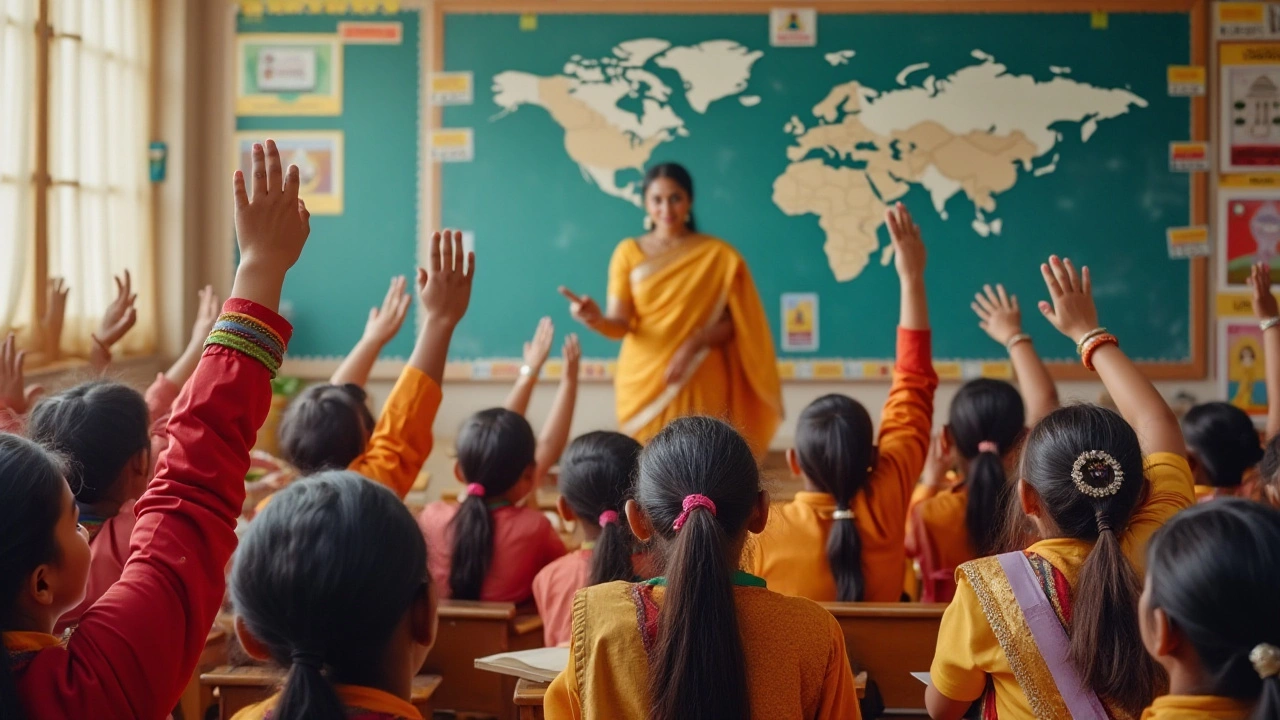
This article explores which Indian state houses the highest number of CBSE schools. Discover interesting facts and details about the CBSE curriculum and its significance across different regions. Understand the factors that contribute to a state's educational landscape, including population density and educational policies. Gain insights into how these elements influence the distribution of CBSE-affiliated institutions in India.