College Courses: What Really Matters and How to Choose the Right One
When you think about college courses, structured programs of study designed to build knowledge and skills for careers or further education. Also known as undergraduate programs, they’re the backbone of higher education in India and beyond. But here’s the truth: not every course is worth the time, money, or stress. Some lead to high-paying jobs. Others leave you with debt and no clear path forward. The difference isn’t just the name of the degree—it’s what you actually learn, how it connects to real work, and whether the system supports you after graduation.
Many students pick courses based on what their parents want, what’s popular, or what looks easy. But the real winners are the ones who match their course to their strengths and the job market. For example, if you’re good with numbers and logic, a course in computer science, a field focused on programming, algorithms, and software development might be a better fit than a general arts degree. And if you’re more into helping people, a course in nursing, a hands-on healthcare program with strong demand in hospitals and clinics can offer stability even when the economy shifts. These aren’t just degrees—they’re career launchpads. The best ones don’t just teach theory; they teach you how to solve problems you’ll face on day one of your job.
Online learning has changed the game too. You don’t need to sit in a lecture hall to get a valuable credential. online degrees, flexible, web-based programs that let you study at your own pace are now trusted by employers, especially in tech, business, and healthcare. But not all online courses are equal. Some are just glorified video playlists. The good ones include real projects, feedback from instructors, and industry-recognized certifications. That’s why you’ll see posts here comparing coaching for NEET and IIT JEE, breaking down what makes a learning app actually work, and showing which certifications pay the most in 2025. These aren’t random picks—they’re all about figuring out what actually leads to results.
What you study matters less than how you use it. A degree in English won’t guarantee you a job—but if you pair it with strong writing skills, digital tools, and real-world experience, you can land roles in content, marketing, or even tech. The same goes for any course. The key is to think ahead: Who hires people with this background? What skills do they really need? Can you start building those skills while you’re still in college? The posts below don’t just list options—they show you how to pick the right path, avoid common traps, and turn your education into something that actually works for you.
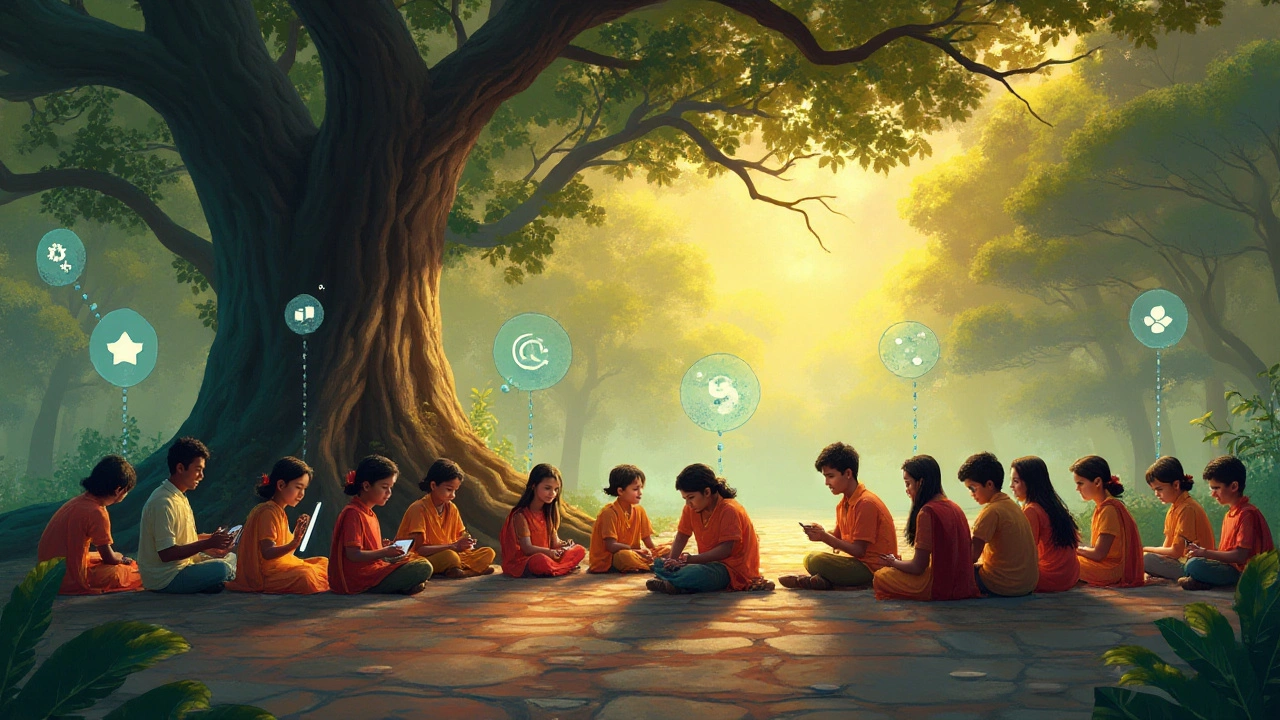
Free College Courses: Maximizing Your Learning Without the Cost
In the digital age, accessing education without financial barriers is increasingly possible through free online college courses. These offerings allow individuals to expand their knowledge and skills without incurring debt. However, the value of these courses depends on several factors including subject matter, accreditation, and personal learning goals. By navigating the options available and understanding their limitations, learners can make informed decisions about pursuing free educational resources.