Education Technology: Tools, Apps, and Online Learning That Actually Work
When you hear education technology, the use of digital tools to improve teaching and learning. Also known as edtech, it’s not just about screens—it’s about how apps, platforms, and AI are reshaping study habits across India. Forget fancy presentations and robotic lectures. Real education technology is what a student in Patna uses at 11 PM to practice NEET questions on a $20 tablet, or what a kid in Kerala watches on YouTube to finally get how quadratic equations work. It’s not about replacing teachers—it’s about giving learners control, flexibility, and real feedback when they need it.
Behind every successful student using eLearning, structured learning through digital platforms that combine videos, quizzes, and interaction. Also known as online learning or digital education. is a system designed to keep them engaged. It’s not just watching videos. It’s Duolingo turning language learning into a daily game with streaks and rewards. It’s platforms that track your progress, flag weak areas, and adjust content so you’re always challenged but not overwhelmed. This isn’t theory—it’s what millions of Indian students use daily to prep for JEE, NEET, or even English fluency. And it’s working. The top learning apps aren’t the most expensive ones—they’re the ones that fit into your life, not the other way around.
But education technology isn’t just about apps. It’s also about access. A student in a small town can now study the same CBSE syllabus as someone in Delhi, using free or low-cost resources. Online certifications in cloud computing or project management are opening doors that coaching centers never could. And tools like mobile coding apps let you write code on your phone during a bus ride. The gap between "have" and "have not" is shrinking—not because of government policies alone, but because of what learners are choosing to use.
What you’ll find here aren’t ads for the latest $500 learning gadget. These are real stories, real tools, and real results—from students who cracked IIT JEE in two years using only online resources, to those who learned English fluency alone with a smartphone and a plan. You’ll see which learning apps actually have 75 million daily users, why some coaching models are fading, and how mental ability in exams like JEE Mains is less about IQ and more about practice under pressure. This isn’t about tech for tech’s sake. It’s about what works when you’re tired, stressed, and need to get better—fast.

Why Schools Are Ditching Google
Schools are shifting away from Google, favoring diverse e-learning platforms for varied reasons. This article explores issues like data privacy concerns, the need for customized learning experiences, and the rise of new ed-tech tools. Discover tips and insights on how this transition is impacting educators, students, and the future of digital learning. Unpack why this move might be a good thing and what alternatives schools are exploring.
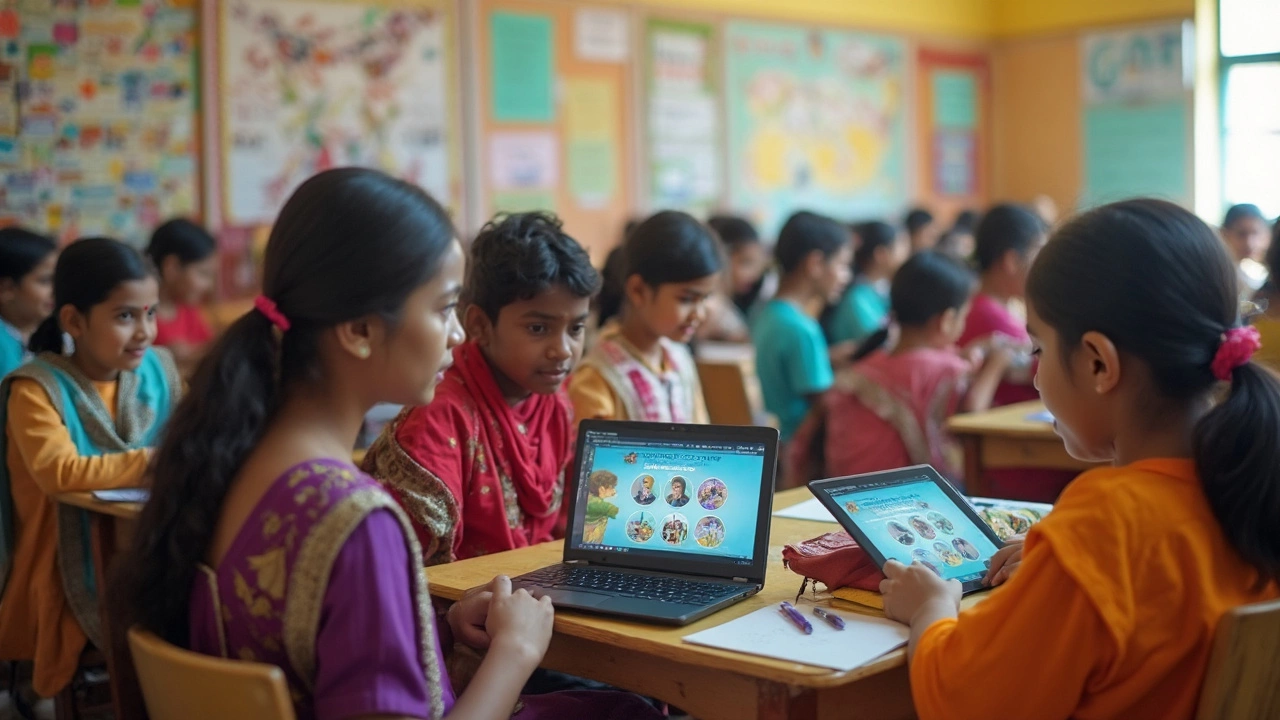
Understanding the Four Stages of eLearning
eLearning is transforming education, offering flexibility and accessibility. Understanding its four stages can optimize learning outcomes. Planning is key in the initial stage, followed by design, which focuses on creating engaging content. Development brings the course to life, and implementation integrates it with learners. By mastering each stage, educators can offer captivating educational experiences.

Most Used Platform for Online Classes: Unveiling the Leader in E-Learning
The landscape of online education is ever-evolving, with numerous platforms vying for the top spot as the go-to for online classes. This article explores which platform is currently the most popular among learners and educators alike. It delves into what makes this platform a standout choice, providing insights into user experiences, tech features, and practical tips for maximizing the benefits of e-learning. Get ready to discover the leader in the realm of virtual education.
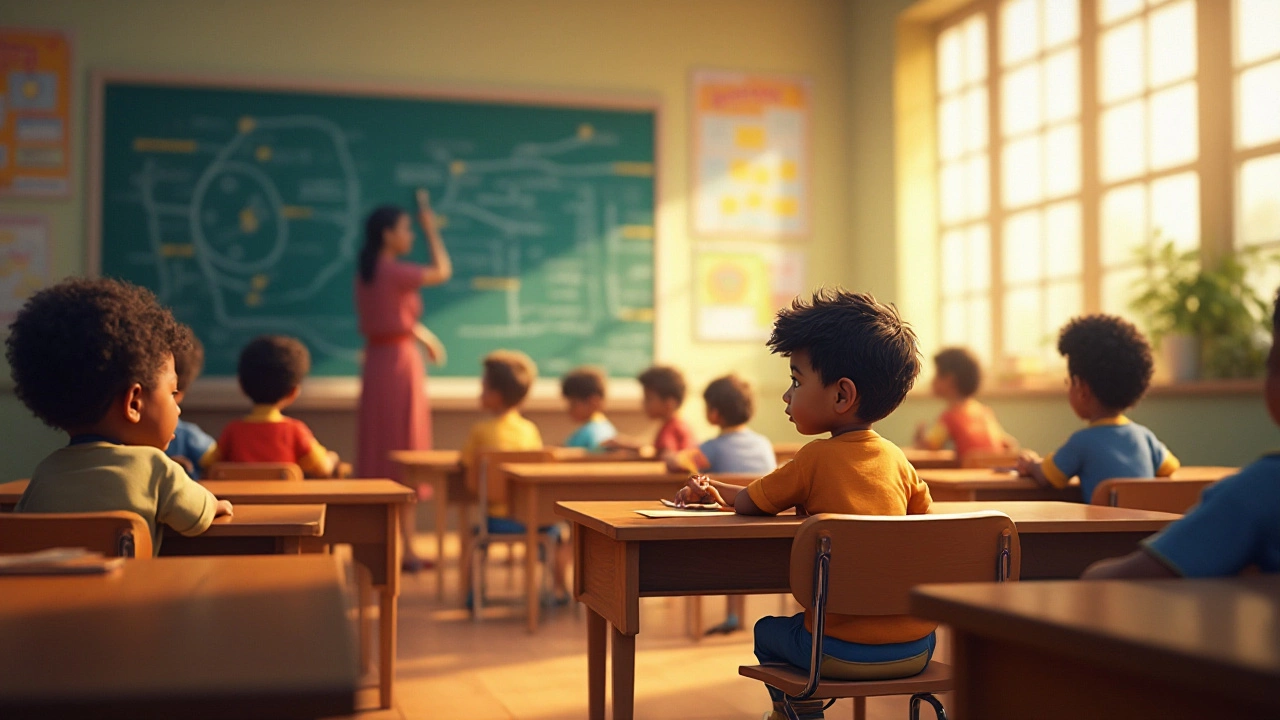
eLearning vs. Classroom Learning: Key Differences Explained
This article delves into the contrasting approaches of eLearning and classroom learning, shedding light on how technological advancements are reshaping the educational landscape. It explores the flexibility and accessibility offered by eLearning, in comparison to the traditional in-person interactions found in classroom settings. Readers will discover the unique advantages and limitations of each mode, providing insight into which may be most effective for their personal learning needs. As educational choices expand, understanding these differences becomes crucial for students and educators alike. Join the exploration of how modern education is evolving in this insightful article.