Global Education: What It Means and How It Shapes Learning Today
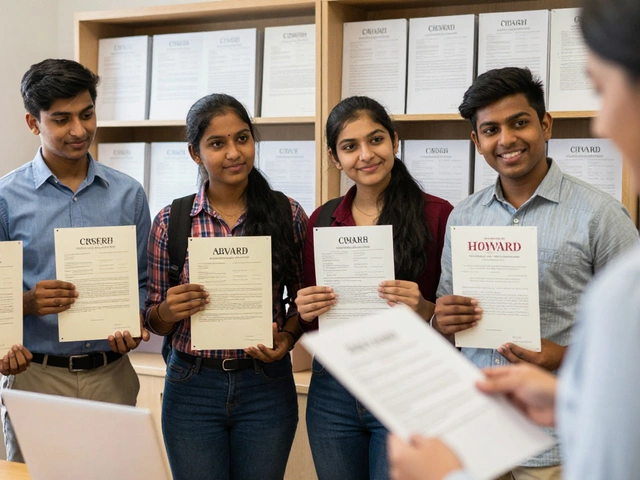
When we talk about global education, the system of learning that connects students, teachers, and resources across countries through technology, policy, and shared goals. Also known as international education, it’s no longer just about studying overseas—it’s about how classrooms in Delhi, Lagos, or Toronto now share the same digital tools, exam patterns, and learning apps. This shift isn’t theoretical. It’s why a student in rural India can use Duolingo to build English fluency, why someone in Kenya can take a cloud certification course from a U.S. university, and why NEET and JEE aspirants now compare prep strategies with peers in Nigeria or Brazil.
Global education relies on three key things: access to eLearning, structured digital systems that deliver lessons, quizzes, and feedback without needing a physical classroom. Also known as online learning or digital education, it’s the backbone of modern study habits. It’s why platforms like Duolingo and virtual classrooms work—they’re designed to fit into daily life, not force you to rearrange it. Then there’s language learning, the process of gaining fluency in a non-native tongue through immersion, practice, and brain-based techniques. Also known as language acquisition, it’s the bridge that lets students access global content, from MIT OpenCourseWare to YouTube tutorials on coding or physics. And finally, there’s the rise of competitive exams, high-stakes tests that determine access to top universities or jobs, often with success rates under 5%. Also known as entrance exams, they’re the same in India, South Korea, or the U.S.—except now, students prepare using the same YouTube channels, apps, and study groups worldwide.
What does this mean for you? If you’re preparing for NEET, JEE, or even a government job, you’re already part of global education. You’re using the same apps, following the same study routines, and facing the same mental pressure as students in other countries. The difference? You’re doing it with local context—CBSE syllabus, Indian coaching centers, and regional language support. Global education doesn’t erase local needs—it amplifies them with better tools.
You’ll find posts here that break down how eLearning platforms actually work, why Duolingo beats traditional grammar drills, how mental ability in JEE isn’t about IQ but about pattern recognition under stress, and what makes some online certifications worth your time while others are waste. You’ll see how teaching English isn’t about memorizing rules—it’s about speaking before you’re ready. And you’ll learn why the highest-paid coding jobs aren’t just about tech skills, but about who’s learning them, where, and how.
This isn’t a list of random articles. It’s a map of how global education is reshaping what it means to study, succeed, and compete today—right where you are.
Is CBSE Available Outside India?
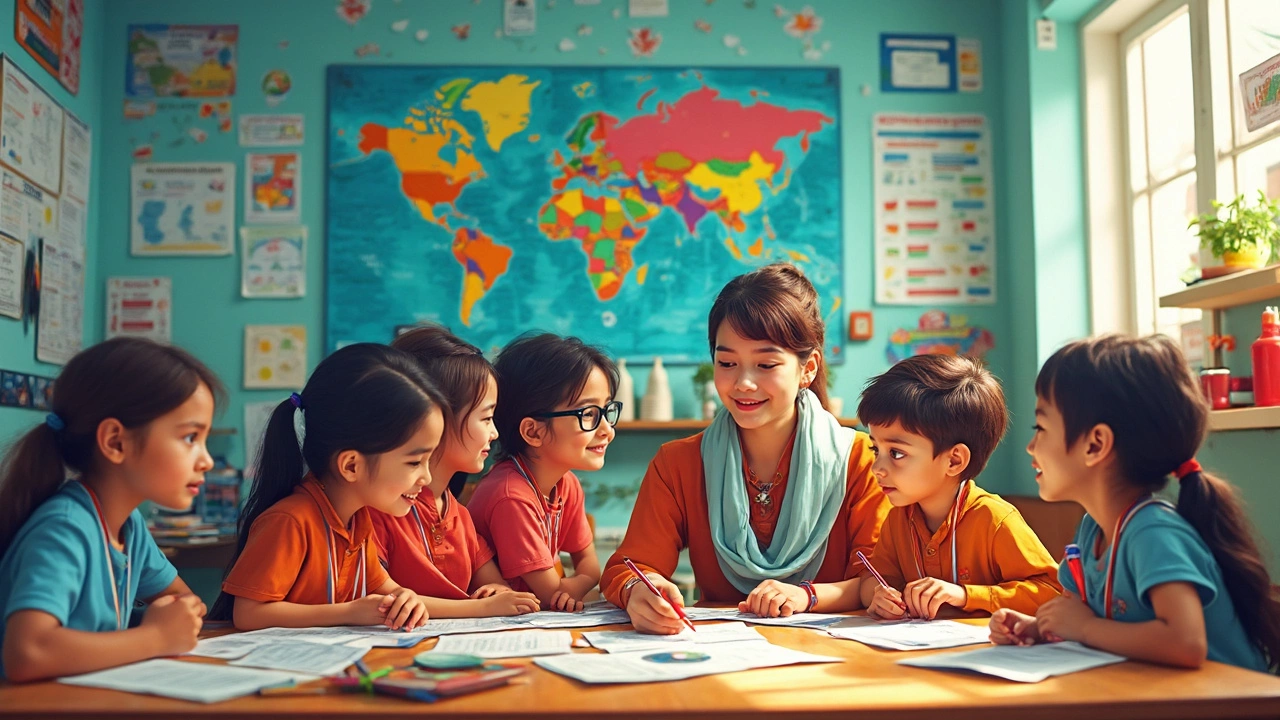
CBSE is not just limited to India, it's making waves abroad too! From the UAE to Singapore, the Central Board of Secondary Education has found its way into international schools. The curriculum structure focuses on a comprehensive skill set. Discover tips for parents considering this education for their kids overseas. Find out what makes CBSE a popular choice globally.