High School Education in India: What Works, What Doesn't, and How to Get Ahead
When you think about high school education, the critical phase between ages 14 and 18 that determines access to college, competitive exams, and future careers in India. Also known as secondary education, it's not just about passing exams—it's about building the mindset, discipline, and skills that decide whether you walk into an IIT lab, a medical college, or a corporate office. This isn’t just about memorizing formulas or cramming for board exams. It’s about learning how to think under pressure, manage time when everything feels urgent, and figure out what you actually care about.
Most students in India follow either CBSE, the Central Board of Secondary Education, the most widely followed board that aligns closely with national competitive exams like JEE and NEET or ICSE, the Indian Certificate of Secondary Education, known for its deeper focus on English and critical thinking, but less directly tied to engineering or medical entrance prep. The difference matters. CBSE’s syllabus is built for speed and scale—perfect if you’re aiming for IIT JEE or NEET. ICSE gives you more room to explore, but you’ll need to do extra work to catch up on exam-specific patterns. State boards vary wildly in quality and structure, and many students end up switching to private coaching just to bridge the gap.
What no one tells you is that high school education doesn’t end when the bell rings. It’s the years between 9th and 12th grade that shape your ability to handle the stress of NEET, the medical entrance exam where less than 1% of applicants get into top colleges, or IIT JEE, the engineering exam so tough that even top scorers often take multiple attempts. The real test isn’t your textbook—it’s your daily routine. Can you wake up at 5 AM and stick to a plan for six months straight? Can you look at a hard math problem and not panic? Can you admit when you’re stuck and ask for help? These aren’t soft skills. They’re survival skills.
And it’s not just about coaching centers or tuition fees. The best students aren’t the ones who spend the most hours studying—they’re the ones who study smarter. They know how to break down complex topics, use free resources like YouTube and practice papers, and track their progress without burning out. They don’t wait for perfect conditions. They build systems that work even when they’re tired, distracted, or overwhelmed.
What you’ll find below isn’t a list of generic tips. It’s a collection of real stories, hard truths, and practical breakdowns from students who’ve been through it. From how to pick the right coaching institute to why mental toughness beats raw intelligence in competitive exams, these posts cut through the noise. Whether you’re in 9th grade wondering where to start, or in 12th grade feeling the clock ticking, this is the guide you actually need—not the one that sounds good on paper.
Vocational Meaning in School: What It Really Is and Why It Matters
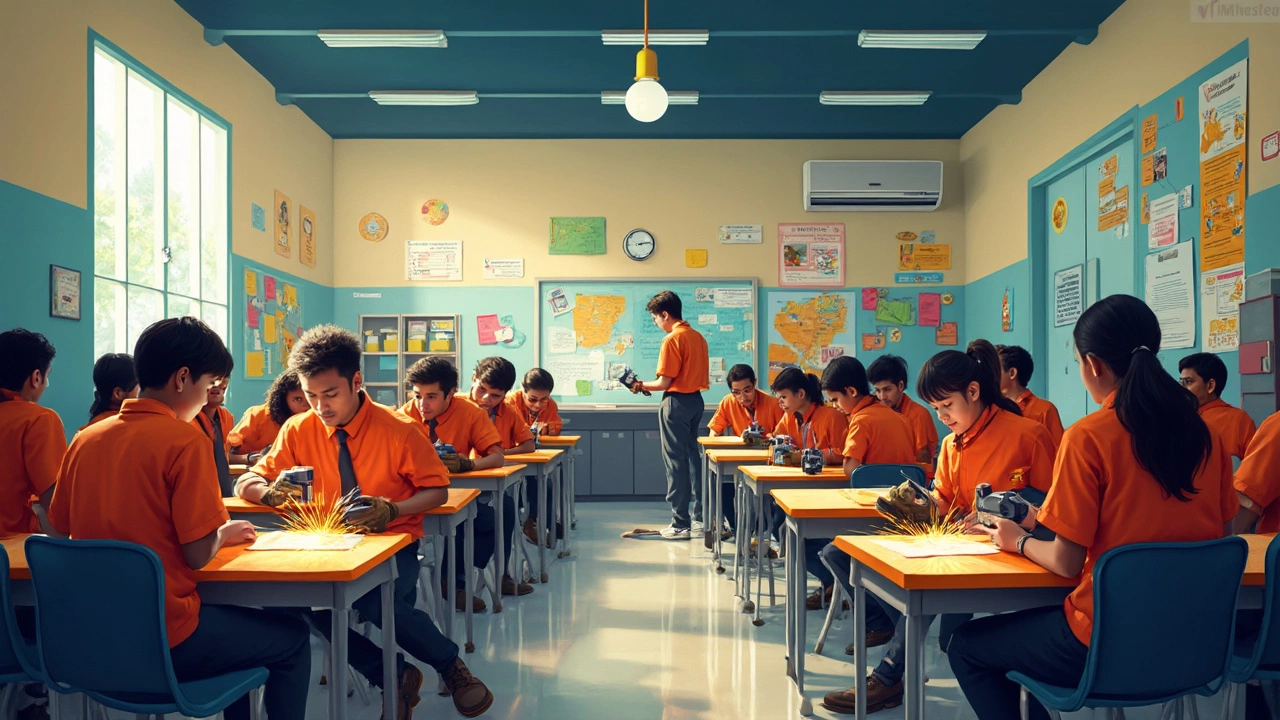
Curious about what vocational means in school? This article breaks down how vocational programs work, what they actually teach, and why students might seriously consider going this route. You'll get the inside scoop on real-life skills, job paths, and why this hands-on approach appeals to more teens—especially those who aren't keen on spending years in college. We’ll also take a look at how these programs compare with traditional classes and tips for getting started. Forget the stereotypes: vocational education might surprise you.