School System in India: How CBSE, ICSE, and State Boards Shape Learning
When we talk about the school system, the structured framework that organizes primary and secondary education in India, including boards like CBSE, ICSE, and state councils. Also known as the education structure, it determines what students learn, how they’re tested, and even which colleges they can enter later. This isn’t just about textbooks—it’s about the entire path from Class 1 to Class 12, and how it prepares—or doesn’t prepare—kids for real-world challenges.
The CBSE, the Central Board of Secondary Education, India’s most widespread school board, focused on standardized testing and alignment with competitive exams like JEE and NEET dominates the landscape. Over 20,000 schools follow it, from small towns to big cities, because its syllabus matches what’s asked in national entrance tests. Then there’s the ICSE, the Indian Certificate of Secondary Education, known for deeper subject coverage, project-based learning, and a more rigorous English curriculum. It’s popular among families who want strong language skills and critical thinking, even if it means more workload. And let’s not forget state boards—each one unique, often easier, and deeply tied to local language and culture. A student in Tamil Nadu or Bihar isn’t just learning science or math—they’re learning it through their own regional lens.
These boards don’t just differ in syllabus—they shape how students think. CBSE pushes speed and pattern recognition, which helps in exams like JEE Mains. ICSE rewards depth and expression, which matters in college essays and interviews. State boards often give more breathing room, but can leave gaps when students move to national-level tests. The education system, the broader network of schools, policies, and exams that define learning outcomes across India isn’t broken—it’s just uneven. And that’s why parents are asking: Which board gives the best shot at success?
What you’ll find here aren’t abstract theories or outdated opinions. These are real, practical comparisons drawn from posts that have helped thousands of families decide what’s best for their kids. Whether you’re weighing CBSE vs ICSE, wondering if a state board holds back your child, or trying to understand how school choices affect future exams like NEET or UPSC—you’ll find clear, no-fluff answers below.
Understanding CBSE Schools in India
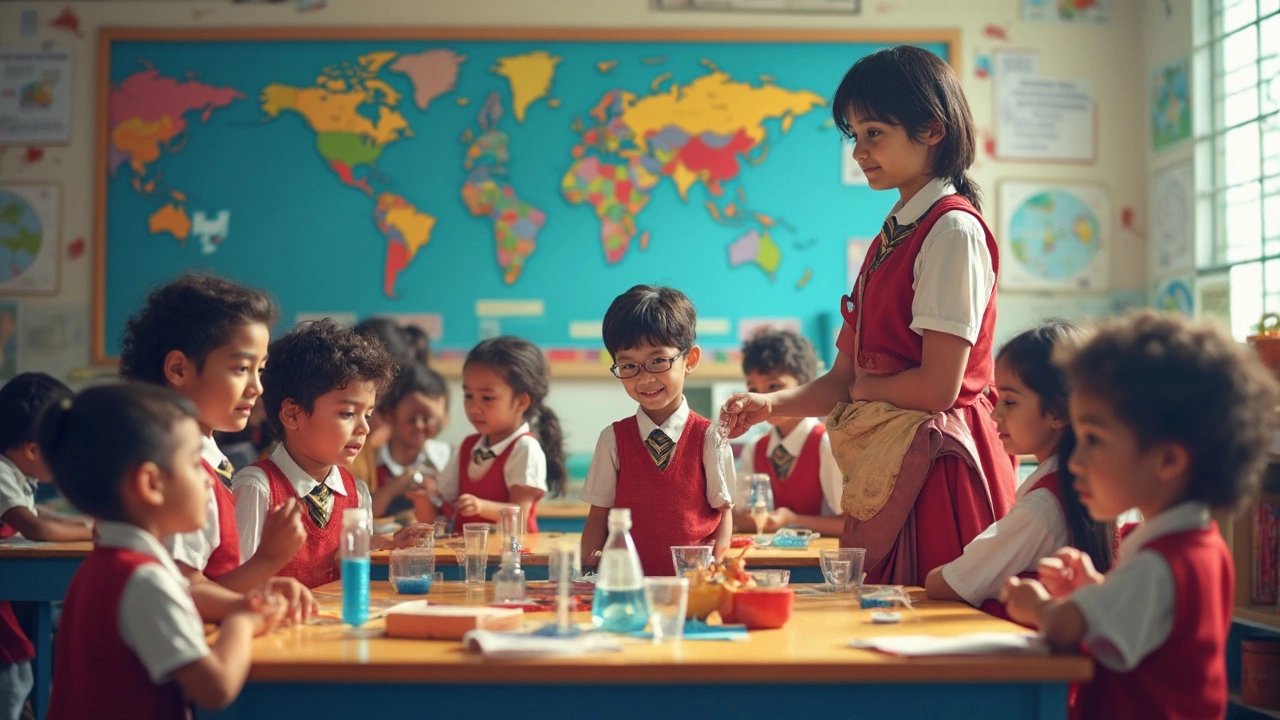
CBSE (Central Board of Secondary Education) schools in India are part of a national-level education board recognized for its comprehensive and standardized curriculum. These schools provide a consistent educational framework across the country, emphasizing both academics and holistic student development. With English as the medium of instruction, CBSE schools are renowned for preparing students for national competitions and various entrance exams. Parents often choose CBSE for its balanced focus on academics, sports, and extracurricular activities.