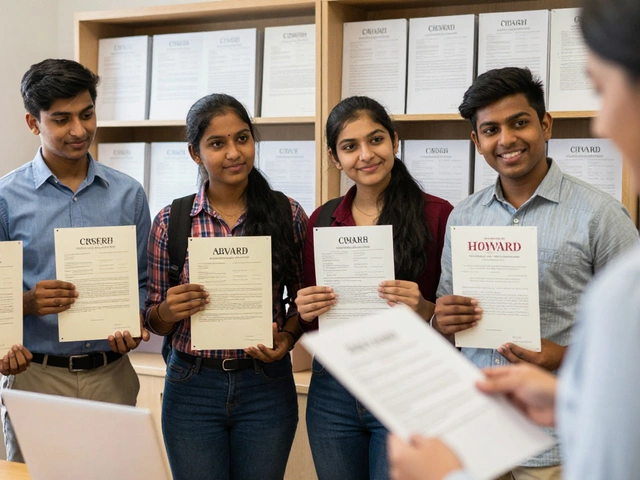
Self-Study: How to Learn Anything on Your Own Without Coaching
When you’re doing self-study, learning independently without formal classes or teachers. Also known as independent learning, it’s not just reading books—it’s building habits that stick, tracking progress, and staying motivated when no one’s watching. Thousands of students across India crack IIT JEE, NEET, and UPSC every year without stepping into a coaching center. They don’t have magic. They have a system.
eLearning, structured learning through digital platforms like apps, videos, and quizzes. Also known as online learning, it’s the backbone of modern self-study. You don’t need expensive coaching if you know how to use free tools right. Duolingo turns language learning into a daily habit. YouTube explains tough physics concepts in under 10 minutes. Quiz apps test your memory before you forget it. The trick isn’t having resources—it’s using them consistently.
Self-study works best when it’s personalized. If you’re preparing for NEET, you don’t need to waste time on calculus. If you’re learning English, grammar drills won’t make you fluent—speaking will. The top performers don’t study more hours. They study smarter. They identify weak spots, track progress daily, and adjust. One student improved from 40% to 90% in mock tests by just fixing three recurring mistakes in chemistry. That’s self-study in action.
It’s not about being smart. It’s about being consistent. You don’t need a perfect plan. You need a plan you’ll stick to. That’s why so many people fail—they start strong, then quit when motivation fades. But habits don’t need motivation. They need repetition. Five minutes a day, every day, beats three hours once a week. That’s how people master coding on a phone. That’s how someone learns English fluency alone while working a full-time job.
What Self-Study Really Requires
You need three things: clarity, feedback, and discipline. Clarity means knowing exactly what to learn next. Feedback means checking if you’re getting it right—through practice tests, peer reviews, or apps that grade you. Discipline means showing up even when you don’t feel like it. No one is holding you accountable. That’s the whole point.
Look at the posts below. You’ll find real stories: how someone cracked IIT JEE in two years with just a notebook and YouTube. How a student became fluent in English without ever taking a class. How people use free online certifications to land better jobs. These aren’t outliers. They’re proof that self-study works—if you know how to do it right. No fluff. No promises. Just what actually helps.

Self-Study for JEE: Is It Possible?
Preparing for the JEE through self-study can seem daunting, but with the right strategies and resources, it can definitely be achieved. This article explores practical tips for mastering the material independently, highlights essential resources, and discusses how to stay motivated. Discover how to create an effective study plan and balance the wide syllabus without the pressure of formal classes. Dive into inspiring stories of self-taught students who succeeded in cracking the JEE.