USA vs India: Education, Jobs, and Life Differences Explained
When people talk about USA vs India, the comparison often centers on education, career paths, and daily life pressures. Also known as American vs Indian systems, this contrast isn’t just about geography—it’s about how societies shape success. In India, exams like IIT JEE, NEET, and UPSC aren’t just tests—they’re life-defining events. Success rates under 1% mean millions prepare for years, often under intense family and social pressure. In the USA, while college admissions are competitive, the system is more flexible: you can switch majors, take gap years, or start at a community college without stigma. There’s no single exam that decides your entire future.
What you study matters differently too. In India, the education system, heavily focused on rote learning and board exams. Also known as CBSE/ICSE model, it prepares students for high-stakes tests that determine college admission. In the USA, online learning, is widely integrated into schools and universities. Also known as eLearning, it gives students tools like Duolingo for language skills or coding apps to build real abilities outside the classroom. The Indian system pushes you to master a fixed syllabus. The American system encourages exploration—try a coding bootcamp, intern at a startup, or build a project before you even graduate.
Job outcomes tell another story. IIT Bombay might hand out a ₹2.1 crore package, but that’s the exception. Most Indian graduates earn ₹15-20 lakh and compete for a tiny slice of corporate or government jobs. In the USA, even mid-tier universities can lead to tech roles paying $80K–$120K right out of college. Certifications in cloud computing or cybersecurity—often done online—can open doors faster than a degree. And unlike India, where government jobs are seen as the ultimate safety net, the USA values skills over titles. If you can code, design, or manage projects, you can build a career without waiting for a government exam result.
The mental load is different too. In India, the stress of competitive exams like JEE or NEET breaks mental health for many teens. In the USA, burnout exists—but it’s more tied to workload and debt than a single make-or-break test. You can fail a class, retake it, and still graduate. In India, one bad exam day can feel like the end of the road.
So what’s better? It depends on what you value. If you thrive under structure, discipline, and clear goals, India’s system gives you a path—even if it’s narrow. If you prefer flexibility, hands-on learning, and multiple chances to reset, the USA offers more room to grow. Either way, you need grit. The difference? In India, grit is forced. In the USA, it’s chosen.
Below, you’ll find real stories, comparisons, and guides that break down exactly how these systems work—from coaching centers in Delhi to online degrees in Florida. No theory. No fluff. Just what actually happens on the ground.
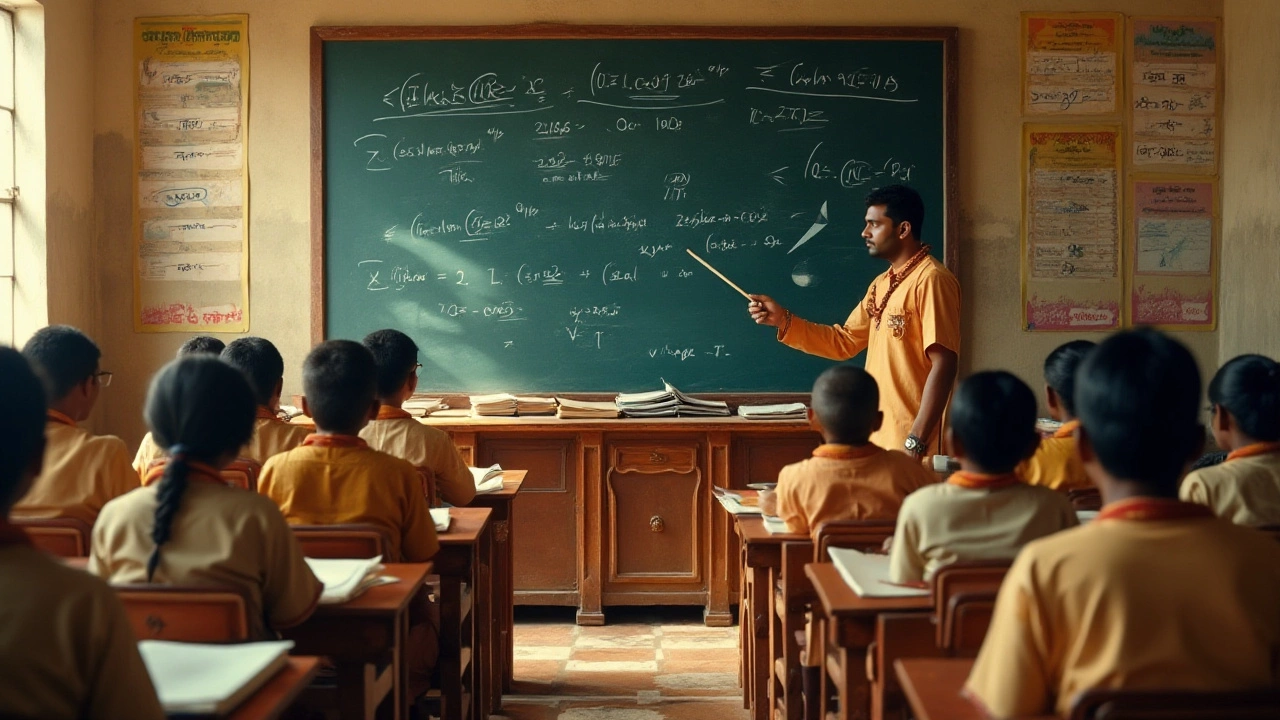
Comparing US and Indian Education Systems Through the Lens of CBSE Curriculum
The article delves into the complex debate over which education system, between the USA and India, offers a superior approach to learning, specifically through the examination of the CBSE syllabus. Focusing on differences in teaching methodologies, classroom environments, extracurricular activities, and academic outcomes, the article provides an objective analysis. Key differences, such as emphasis on rote learning versus practical engagement, are highlighted to offer a broader understanding. Intended to serve parents, educators, and students seeking clarity, this piece breaks down the merits and drawbacks of each system.