Neuroplasticity: How Your Brain Changes and What It Means for Learning
When you learn something new—whether it’s solving a calculus problem, memorizing biology diagrams, or picking up English vocabulary—your brain isn’t just storing information. It’s physically changing. This is called neuroplasticity, the brain’s ability to reorganize itself by forming new neural connections throughout life. Also known as brain plasticity, it’s not a fancy term for smart people—it’s how every student, from a 10th grader to an IIT aspirant, actually learns. You don’t need to be born with a "good brain" to succeed. You just need to train it the right way.
Neuroplasticity explains why cramming doesn’t work and why daily practice does. Every time you solve a JEE problem or repeat a NEET concept, you’re strengthening the neural pathways tied to that skill. Studies show that students who study consistently for 30–45 minutes a day build stronger memory circuits than those who pull all-nighters. Your brain adapts to what you repeat. That’s why top performers don’t rely on genius—they rely on routine. And it’s not just about studying. Recovery from stress, sleep, and even physical exercise boost neuroplasticity. When you’re burnt out from UPSC prep, it’s not laziness holding you back—it’s your brain asking for better conditions to rewire itself.
Related to this are neural pathways, the routes your brain uses to send signals between neurons. The more you use a pathway—say, recalling chemical reactions or solving quadratic equations—the faster and more automatic it becomes. That’s fluency. And then there’s brain adaptation, how your brain shifts focus and resources based on what you prioritize. If you spend hours watching YouTube videos, your brain adapts to passive input. If you spend hours solving problems, it adapts to active thinking. Your brain doesn’t care about your goals—it just follows your habits.
This is why the same 2-year study plan works for some and fails for others. It’s not about how hard you work—it’s about how smartly you train your brain. Neuroplasticity means your potential isn’t fixed. It’s built. Every time you push through confusion, every time you revisit a wrong answer, every time you sleep after learning—you’re rewiring your brain for success. You’re not just studying for an exam. You’re upgrading your mind.
Below, you’ll find real stories and strategies from students who used neuroplasticity to crack tough exams—not by being the smartest, but by being the most consistent. Whether it’s how eLearning platforms structure repetition to lock in knowledge, why Duolingo works better than textbooks, or how mental ability in JEE Mains is really about pattern recognition, not IQ—this collection shows you how your brain learns, and how to make it work for you.
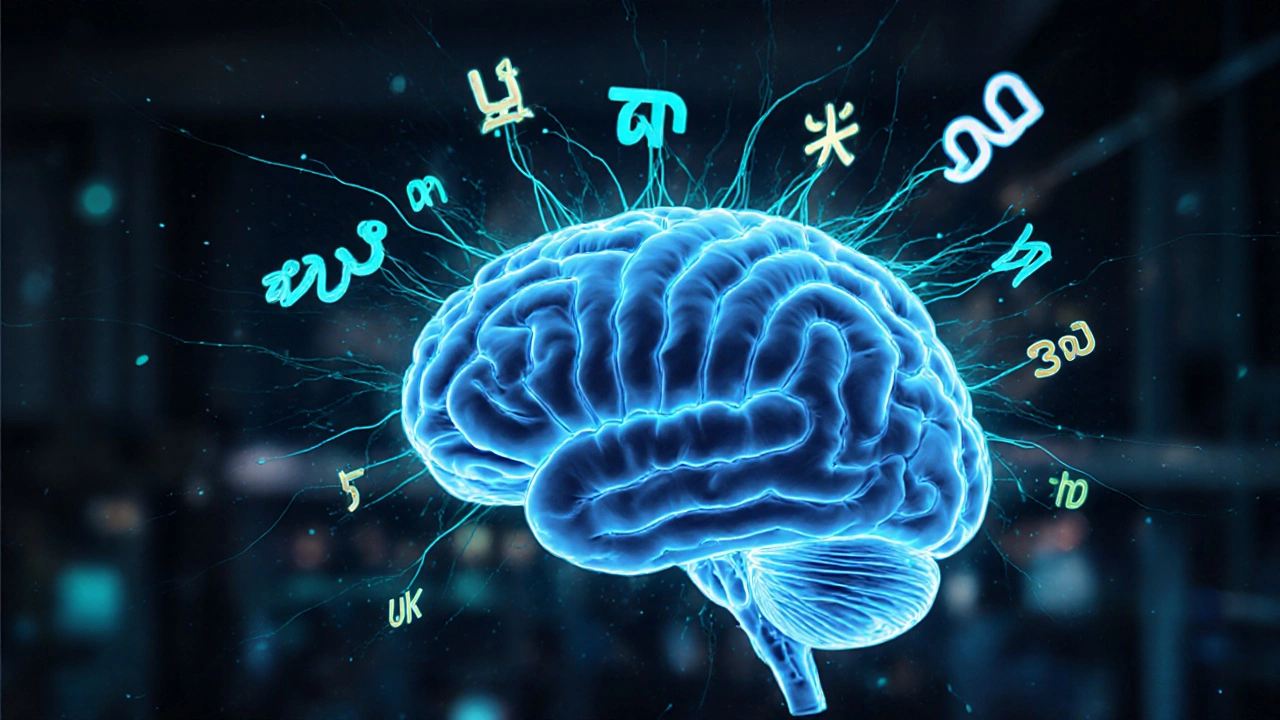
Brain Rewiring Techniques to Learn Any Language Faster
Learn how to rewire your brain for quicker language mastery with neuroplasticity tricks, memory hacks, immersive habits, and a 30‑day action plan.