School Education in India: CBSE, ICSE, and What Really Matters
When we talk about school, the foundational stage of formal education in India that prepares students for higher studies and competitive exams. Also known as schooling, it’s not just about passing exams—it’s where habits, mindset, and long-term success are built.
Most Indian students go through one of three major systems: CBSE, the Central Board of Secondary Education, the most widely followed board in India with a focus on national exams like JEE and NEET, ICSE, the Indian Certificate of Secondary Education, known for its detailed curriculum and emphasis on English and critical thinking, or a state board. Each shapes how kids learn, what they remember, and how they handle pressure later. CBSE dominates because it aligns directly with engineering and medical entrance tests. ICSE builds stronger language and analytical skills, but fewer students take it simply because it’s harder to score high. And state boards? They vary wildly—some are easy, some are outdated, but they’re the only option for millions.
What’s missing in most schools? Real problem-solving. Too many students memorize formulas for JEE Mains without learning how to think under time pressure. Others learn English grammar rules but can’t hold a conversation. The top CBSE schools in India are starting to change this—adding project-based learning, mental resilience training, and even coding basics. But the system as a whole still rewards rote learning over curiosity. That’s why so many students crash in college or during competitive exams. The real question isn’t which board is better—it’s whether your school teaches you how to learn, not just what to memorize.
You’ll find posts here that break down the differences between CBSE and ICSE syllabuses, show you which schools are actually leading in 2025, and explain why mental ability matters more than IQ in exams like JEE. There’s also advice on how to teach English effectively, what learning apps actually work for school kids, and how online tools are changing classroom learning. This isn’t about rankings alone—it’s about what you can do right now to make school work for you, not against you.
Vocational Meaning in School: What It Really Is and Why It Matters
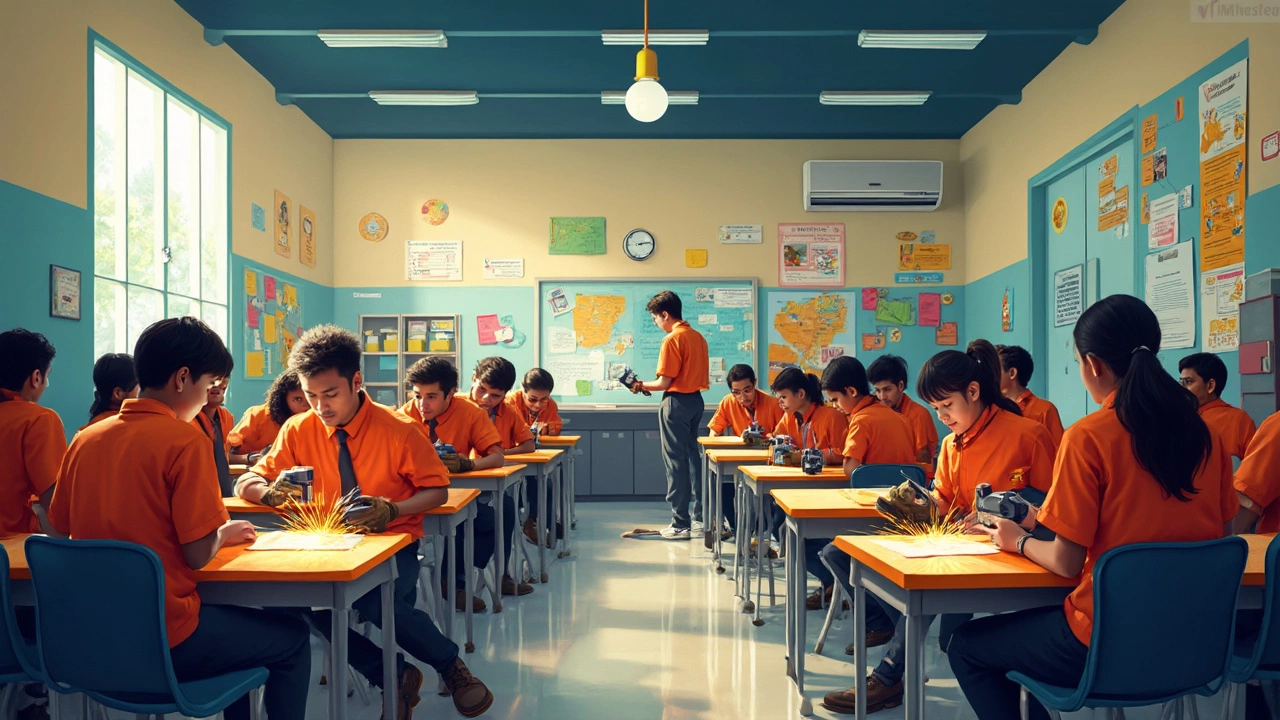
Curious about what vocational means in school? This article breaks down how vocational programs work, what they actually teach, and why students might seriously consider going this route. You'll get the inside scoop on real-life skills, job paths, and why this hands-on approach appeals to more teens—especially those who aren't keen on spending years in college. We’ll also take a look at how these programs compare with traditional classes and tips for getting started. Forget the stereotypes: vocational education might surprise you.