SCORM: What It Is and How It Powers Online Learning in India
When you take an online course on a platform like Udemy, Coursera, or even a coaching site in India, there’s a good chance it’s built on something called SCORM, a technical standard that lets online learning content talk to learning platforms. Also known as Sharable Content Object Reference Model, it’s the invisible glue that makes quizzes, videos, and progress tracking work without breaking. You don’t see it, but without SCORM, your progress wouldn’t save, your test scores wouldn’t update, and your course wouldn’t know if you finished it.
SCORM isn’t a tool you download—it’s a set of rules. Think of it like USB: no matter what device you plug in, if it follows the USB standard, it works. Same with SCORM. Whether the course was made by a small tutor in Delhi or a big institute in Bangalore, if it’s SCORM-compliant, it’ll run on any compatible learning system. That’s why platforms like Moodle, TalentLMS, and even some Indian government education portals rely on it. It’s not about fancy graphics or AI—it’s about consistency. If you’ve ever logged back into a course and seen your last page still open, that’s SCORM working behind the scenes.
SCORM connects directly to how you learn. If you’ve used apps like Duolingo or taken an online certification for cloud computing or project management, the way your progress is tracked, how quizzes are scored, and whether you get a completion certificate—all of that depends on SCORM’s rules. It doesn’t care if you’re studying English, coding, or preparing for NEET. It just makes sure the system remembers what you did. And when you see terms like eLearning, structured learning delivered digitally through platforms or digital education, the use of technology to deliver educational content, they’re often built on SCORM’s foundation.
Here’s the catch: not all online courses use it. Many simple video courses on YouTube or even some Indian coaching platforms skip SCORM because it’s technical and adds cost. But if you’re serious about tracking progress—whether you’re a student, a teacher, or a corporate trainer—you need to know what SCORM does. It’s the reason some courses feel smooth and reliable, while others crash, lose data, or won’t let you resume. If you’ve ever lost your progress in an online course, it’s likely because the content wasn’t SCORM-compliant.
That’s why the posts here matter. You’ll find guides on eLearning platforms, how online learning actually works, and which tools are built for real-world use. Some explain how to pick the right learning app. Others break down why some coaching institutes succeed while others don’t. All of them tie back to one thing: how content is delivered, tracked, and remembered. Whether you’re trying to crack JEE, learn English, or earn a certification, understanding SCORM helps you spot quality courses from flimsy ones.
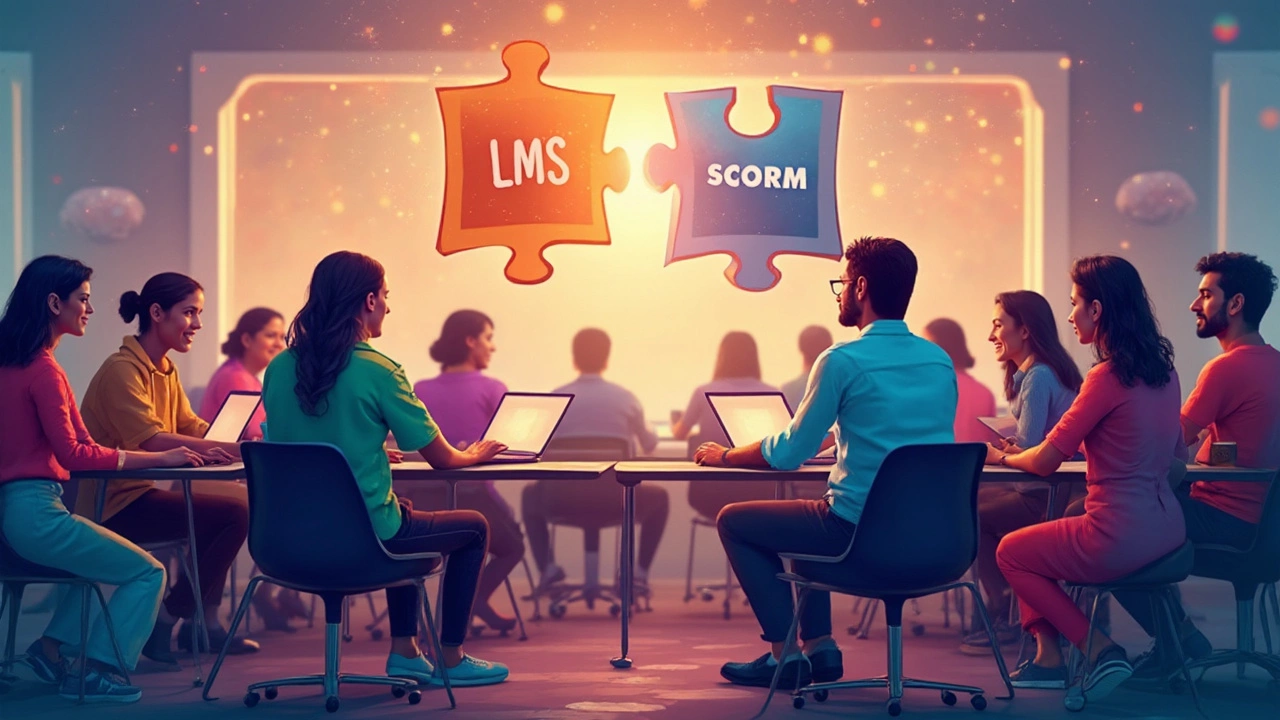
LMS vs SCORM: What’s the Real Difference in E-Learning Platforms?
Ever wondered what separates an LMS from SCORM? This article clears up the confusion by breaking down how each one fits into the e-learning puzzle. Get real-world examples and practical advice on choosing and using these tools for online training. Avoid common mistakes, spot the red flags, and discover how to make your digital courses work smarter, not harder. If you work in training or online education, this is for you.